
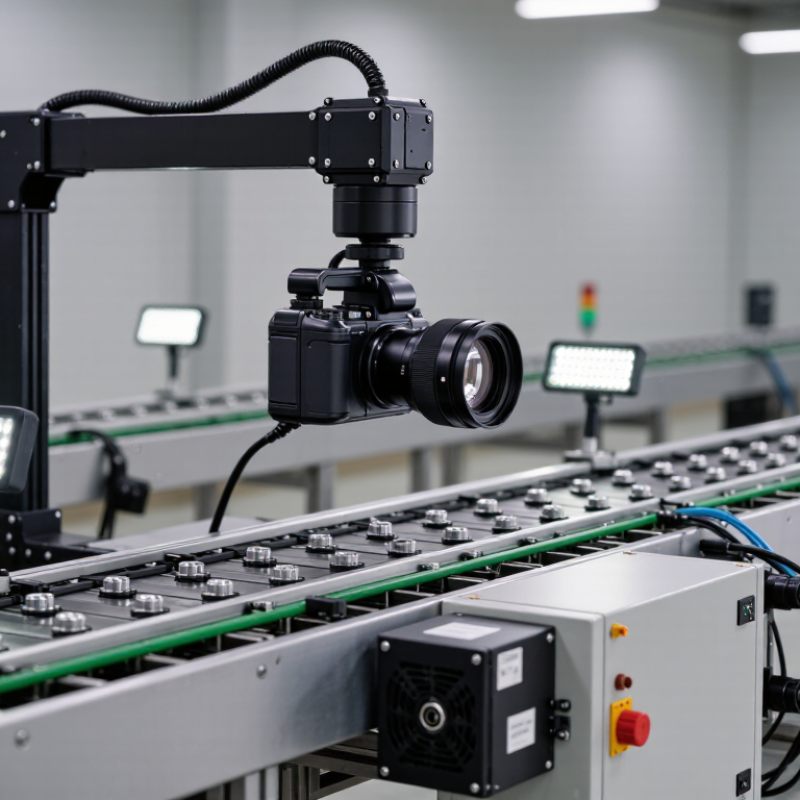
10 Best Industrial Digital Cameras for Machine Vision?
Ten leading industrial digital cameras serve different inspection problems, not identical factory roles. According to the Association for Advancing Automation’s 2024 statistics, North American machine-vision component sales fell 7.5% in 2023. Careful selection matters.
Monochrome area-scan cameras reveal scratches on metal surfaces. Color area-scan cameras separate labels, wires, and food tones. High-speed area-scan cameras capture moving tablets or bottle caps with reduced blur. Monochrome line-scan cameras inspect continuous steel, paper, and textiles. Color line-scan cameras detect print shifts on packaging rolls. Stereo 3D cameras measure bin parts and assembly height. Structured-light 3D cameras map weld beads and connector geometry. Time-of-flight cameras support pallet dimensioning and robot guidance. Short-wave infrared cameras expose moisture or material differences hidden from visible light. Ultraviolet cameras highlight coatings, residues, and fluorescent marks.
MarketsandMarkets projects the machine-vision market to grow from about USD 15.9 billion in 2023 to USD 25.7 billion by 2028. That expansion raises practical questions about data quality, lighting, and maintenance. In field testing, a modest monochrome sensor can outperform a costly color model under controlled illumination. This is easy to overlook. Resolution alone does not guarantee reliable inspection. Lens distortion, vibration, exposure timing, and dirty protective windows can quietly damage results. Engineers should record false rejects beside detection rates, because a system that sees everything may still waste production. The best camera is application-led, measurable, and serviceable.