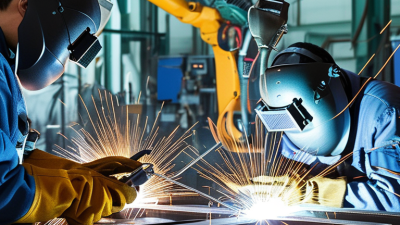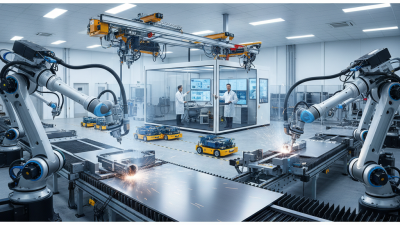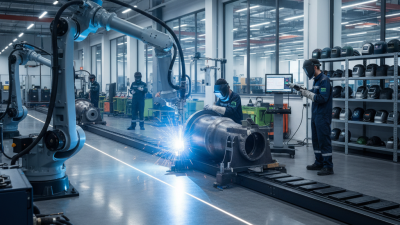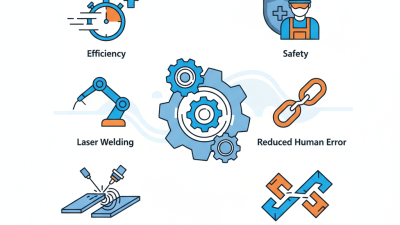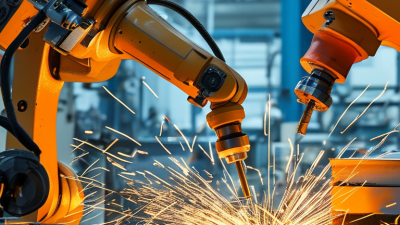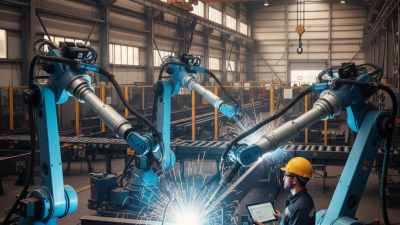
China has become an important sourcing base for advanced welding materials. Its suppliers serve automotive, shipbuilding, energy, construction, and precision manufacturing markets. Yet supplier quality varies widely.
This guide examines China’s Advanced welding materials suppliers through practical purchasing criteria. It considers welding wires, electrodes, powders, fluxes, foils, and specialized alloys. Readers will find details about material composition, operating temperature, corrosion resistance, and application suitability. These factors affect weld strength, surface finish, and service life.
Real procurement requires more than a polished catalog. A supplier may offer impressive specifications but provide limited batch traceability. Ask for mill certificates, inspection records, sample results, and production photographs. Review ISO 9001 registration when relevant, but do not treat certification as complete proof. Independent testing can reveal differences in coating thickness, chemical stability, or wire feeding performance.
Small details matter. A spool edge may damage automated equipment. Moisture exposure can weaken flux performance. Packaging should protect materials during long-distance transport and warehouse storage. Communication also deserves attention. Clear technical answers often indicate stronger production discipline.
Not every supplier fits every project. That is easy to overlook. Price comparisons can become misleading when alloy purity, tolerance, packaging, and delivery terms differ. This guide therefore encourages factory verification, sample trials, and written quality agreements. It also recognizes a practical limitation: published supplier information may change over time. Buyers should confirm current capabilities directly before placing an order. A careful, evidence-based approach supports safer sourcing and more consistent welding results.
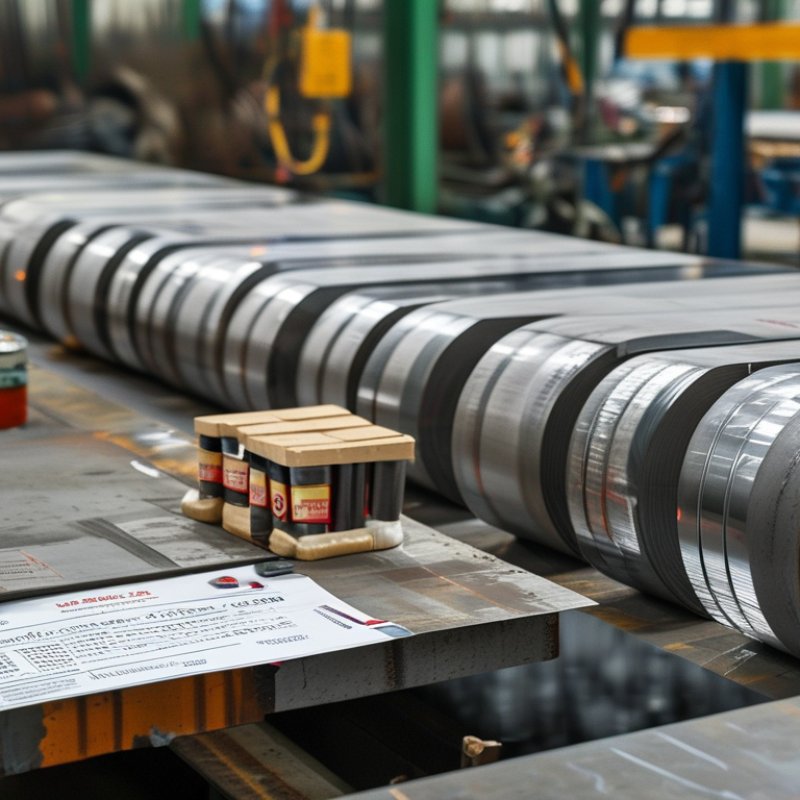
Advanced welding materials are engineered consumables designed for demanding heat, stress, corrosion, or weight conditions. They include low-hydrogen electrodes, metal-cored wires, nickel alloys, duplex stainless steels, and specialized fluxes. Their value extends beyond stronger joints. They can reduce spatter, stabilize the arc, improve deposition rates, and limit rework.
The scale of modern fabrication makes material selection important. The World Steel Association reported approximately 1.89 billion tonnes of crude steel production in 2023. The International Energy Agency also states that iron and steel production creates around 7% of global energy-related carbon dioxide emissions. Better welding materials may support lighter structures, longer service life, and fewer rejected components. However, advanced does not always mean better. A costly alloy can fail when storage, shielding gas, or preheating is poorly controlled. That uncomfortable detail deserves attention.
Tips: Match the filler metal to the base metal, service temperature, and corrosion exposure. Check hydrogen control, batch certificates, and moisture storage records. In real workshops, small handling errors can erase expensive material advantages. Compare deposition efficiency with total labor and repair costs, not purchase price alone. The choice is rarely perfect. Test it on representative joints before full production. Reports from the American Welding Society and technical standards bodies can support procedure qualification, but local trials still matter.
China’s advanced welding materials sector follows heavy demand from steel, energy, transport, and infrastructure. World Steel Association data shows China produced about 1.005 billion tonnes of crude steel in 2024. That scale supports broad domestic production of specialized consumables.
Key types include solid MIG and TIG wires, flux-cored wires, submerged arc fluxes, nickel-based alloys, aluminum wires, and metal powders for repair or additive welding. Low-hydrogen electrodes help reduce cracking in structural steel. Cored wires improve deposition rates on bridges, pressure vessels, and offshore components. Aluminum-silicon fillers suit lightweight vehicle parts, while nickel alloys withstand heat and corrosion in chemical equipment. The 2024 MarketsandMarkets report identifies automation, energy projects, and advanced manufacturing as major welding-material demand drivers.
Technical selection needs more than price. Ask for heat-lot traceability, chemical analysis, tensile results, impact data, and certificates linked to applicable ISO or AWS classifications. A supplier should explain storage conditions, welding current ranges, shielding gas, and post-weld treatment. Small details matter: a damp electrode can create hidden porosity.
UN Comtrade trade data places China among the major exporters of welding consumables, but export volume does not prove consistent quality. That is the uncomfortable part. Test samples under the real joint design, not only on flat coupons. Review batch variation, especially for flux-cored wire and alloy powders. Supplier websites may look precise; independent inspection is still wiser.
When evaluating Chinese welding material suppliers, start with process evidence, not polished catalogs. In factory audits, I check heat numbers, batch records, storage humidity, and calibration labels. Ask for EN 10204 3.1 certificates, chemical analysis, tensile results, and impact data when applicable. A supplier should connect each test result to one production batch.
Scale matters, but it does not prove consistency. The World Steel Association reported 1,882.6 million tonnes of global crude steel production in 2024, with China producing about 1,005.1 million tonnes. This large industrial base can support strong capacity and technical depth. It can also hide uneven subcontracting. Request the actual production address, welding procedure controls, and recent third-party inspection reports.
1,882.6 million tonnes
global crude steel production in 2024
Quality systems need careful reading. The ISO Survey 2023 recorded more than 1.26 million ISO 9001 certificates worldwide. Certification helps, yet it cannot replace sample testing. Compare certificates with ISO 3834 controls, batch traceability, nonconformance records, and corrective-action evidence. Check whether the laboratory uses calibrated equipment. Visit the warehouse, not only the meeting room. I still make one mistake sometimes: I judge document quality too quickly. A neat report may omit coating moisture, electrode exposure time, or transport damage. Independent pre-shipment testing remains a sensible safeguard.
China’s advanced welding materials sector serves a steel market producing about 1.88 billion tonnes annually, according to the World Steel Association’s 2024 production report. Supplier selection therefore needs more than attractive pricing. Buyers should verify ISO 9001 systems and ISO 3834 welding-quality controls. The ISO Survey 2023 recorded over 1.26 million ISO 9001 certificates worldwide, but certification alone does not prove batch consistency.
Material certificates should identify heat numbers, chemical composition, mechanical properties, and production dates. EN 10204 Type 3.1 documentation is commonly expected for traceable metal products. Testing may include tensile strength under ISO 6892-1, Charpy impact testing under ISO 148, and chemical analysis by calibrated laboratory equipment. For powders, wires, fluxes, or electrodes, moisture, particle size, coating condition, and deposition performance also require documented checks.
Look closely at welding procedure qualification records. They should connect the material batch, test results, and approved welding procedure. Non-destructive testing should follow suitable methods, such as radiographic, ultrasonic, or magnetic testing standards. Personnel competence should be verified against ISO 9712 where applicable. A certificate is not proof of every batch. That is an easy mistake. In practice, sampling plans may also be too weak, especially when suppliers rely on old test data. Request recent reports, witness critical tests, and inspect sealed packaging before shipment. These small controls often reveal gaps that polished documents hide.
China Best Advanced Welding Materials Suppliers Guide
Selecting the right supplier starts with the welding application, not the lowest quotation. A stainless-steel pressure vessel needs different wire chemistry, cleanliness, and moisture control than a structural steel frame. I have seen a low quote become an expensive lesson. Porosity appeared after coating, and the supplier could not match the batch number to its test records.
Ask for material certificates, lot traceability, and recent test results for tensile strength, impact toughness, and chemical composition. For critical fabrication, check whether the supplier works under ISO 9001 and ISO 3834 quality systems. These standards do not guarantee perfect products. They do create auditable processes. The American Welding Society’s workforce analysis projects a need for about 330,000 new welding professionals in the United States by 2028, increasing pressure on suppliers to provide consistent technical support and training. A capable supplier should explain storage temperature, shielding-gas requirements, recommended parameters, and requalification limits clearly.
Test before committing. Request samples from more than one production lot, then weld them using your actual machine, joint design, and operator procedure. Measure arc stability, spatter, bead appearance, and post-weld defects. Do not rely only on polished brochures. In my experience, delivery reliability can matter as much as chemistry, especially when one delayed container stops an entire fabrication line. Review lead times, packaging integrity, complaint handling, and corrective-action records. A supplier may pass one trial and still deserve further questioning.
| Material Category | Common Product Forms | Relevant Welding Processes | Typical Technical Requirements | Suitable Applications | Supplier Selection Checkpoints |
|---|---|---|---|---|---|
| Carbon Steel Filler Materials | Solid wire Flux-cored wire Covered electrodes | GMAW, FCAW, SMAW, SAW | Matching tensile strength and toughness to the base metal; stable arc performance; controlled hydrogen level for applications susceptible to hydrogen-induced cracking. | Structural steel, pressure vessels, pipelines, general fabrication, heavy equipment and repair work. | Verify conformance with the applicable AWS or ISO classification, lot traceability, moisture-control procedures, deposition efficiency and certificates for chemical composition and mechanical properties. |
| Low-Alloy Steel Filler Materials | Solid wire Flux-cored wire Low-hydrogen electrodes | GMAW, FCAW, SMAW, SAW | Alloy content designed for improved strength, toughness or elevated-temperature performance; controlled diffusible hydrogen; suitable impact-test results at the specified temperature. | Bridges, pressure equipment, construction machinery, offshore structures and high-strength steel fabrication. | Check impact toughness data, diffusible-hydrogen test methods, preheating and post-weld heat-treatment recommendations, batch consistency and qualification support. |
| Stainless Steel Filler Materials | MIG wire TIG rod Covered electrodes Flux-cored wire | GTAW, GMAW, FCAW, SMAW, SAW | Correct chromium and nickel balance; controlled carbon level where intergranular corrosion resistance is required; resistance to porosity, hot cracking and corrosion in the service environment. | Food-processing equipment, chemical plants, pharmaceutical equipment, tanks, piping and architectural components. | Confirm filler classification, ferrite-control information where applicable, corrosion-resistance data, surface cleanliness requirements, shielding-gas recommendations and weld appearance consistency. |
| Aluminum Alloy Filler Materials | MIG wire TIG rod Spools Straight lengths | GTAW, GMAW | Compatibility with the aluminum alloy family; controlled hydrogen and surface contamination; appropriate resistance to cracking, corrosion and loss of strength in the heat-affected zone. | Transportation equipment, marine structures, storage tanks, heat exchangers and lightweight frames. | Evaluate wire cleanliness, oxide control, feeding performance, recommended shielding gas, lot-to-lot diameter consistency and technical guidance for heat input and joint design. |
| Nickel-Based Filler Materials | TIG rod MIG wire Covered electrodes Cladding wire | GTAW, GMAW, SMAW, SAW | High-temperature strength, oxidation resistance, corrosion resistance and compatibility with nickel alloys or dissimilar-metal joints; careful control of dilution and heat input. | Petrochemical equipment, power-generation systems, furnace components, chemical processing and severe corrosion environments. | Request chemical analysis, corrosion or service-temperature data, procedure qualification support, dilution recommendations and evidence of stable performance in dissimilar-metal welding. |
| Copper and Copper-Alloy Filler Materials | TIG rod MIG wire Brazing filler | GTAW, GMAW, brazing and specialized welding processes | Electrical and thermal conductivity, resistance to porosity, suitable fluidity and compatibility with copper, brass or bronze base metals. | Electrical components, busbars, heat exchangers, refrigeration systems, valves and plumbing assemblies. | Check conductivity data, alloy composition, recommended preheating, joint-clearance guidance for brazing, surface preparation requirements and production-scale availability. |
| Hardfacing and Wear-Resistant Materials | Flux-cored wire Covered electrodes Tubular wire Powder | FCAW, SMAW, PTA, thermal spray and specialized overlay processes | Abrasion, impact, erosion or metal-to-metal wear resistance; controlled hardness; acceptable crack pattern where designed; compatibility with the substrate and service load. | Mining tools, crushers, agricultural equipment, cement machinery, rollers and material-handling components. | Match the deposit to the dominant wear mechanism, verify hardness range and dilution limits, review machining or grinding requirements, and confirm repair-layer thickness recommendations. |
| Submerged Arc Welding Consumables | Bare wire Granular flux Strip electrode | SAW, strip cladding and tandem submerged arc welding | Compatible wire-flux combination; stable slag detachability; required deposition rate; suitable toughness, strength and weld-metal cleanliness. | Long seams, pressure vessels, wind-tower sections, large structural parts, storage tanks and surfacing operations. | Assess wire-flux qualification data, flux recyclability, moisture resistance, recovery ratio, slag removal, deposition rate and compatibility with the production welding system. |
| Welding Fluxes and Shielding Materials | Granular flux Agglomerated flux Fused flux Shielding-gas mixtures | SAW, GMAW, FCAW and specialized processes | Stable shielding or slag-forming performance; low moisture pickup; consistent particle size or gas composition; effective protection from atmospheric contamination. | High-deposition welding, automated fabrication, stainless steel welding and controlled-atmosphere production. | Review storage and drying instructions, gas-composition tolerances, moisture limits, particle-size distribution, packaging integrity and compatibility with the selected wire or electrode. |
| Supplier Quality and Compliance | Inspection documents Test reports Qualification records | Applies to all welding-material categories | Documented quality management, controlled manufacturing processes, calibrated testing equipment, traceable batches and compliance with the project specification. | Safety-critical fabrication, export projects, regulated industries and applications requiring procedure or welder qualification. | Request material certificates, batch traceability, test methods, nonconformance procedures, audit information, applicable ISO or AWS compliance evidence and sample approval before volume purchasing. |
| Supply, Packaging and Technical Service | Spools Vacuum packages Cans Custom labeling | All manual, semi-automatic and automated welding processes | Reliable lead time, protection against moisture and contamination, consistent packaging weight, clear identification and technical support for storage, handling and welding parameters. | Continuous-production lines, international projects, maintenance operations and customized industrial fabrication. | Compare minimum order quantities, production capacity, delivery performance, packaging options, private-label capability where permitted, after-sales response, application support and contingency-stock arrangements. |