How to Choose the Right Infrared Optical Sorter for Your Needs?
Choosing the right Infrared Optical Sorter is crucial for optimizing operational efficiency. As Dr. Emily Carter, a leading expert in sorting technology, once said, "The right sorter can transform your supply chain." This highlights the importance of selecting an appropriate machine tailored to your specific needs.
With various models available, understanding their features is essential. Some sorters excel in speed while others focus on accuracy. Consider what materials need sorting. This will directly influence your decision-making process. Infrared Optical Sorters can handle a range of inputs, but not every model fits every application.
It's also important to assess the technical support from the manufacturer. What happens if you encounter issues? A reliable company can be a game-changer. While many opt for the newest technology, sometimes investing in a model with proven reliability makes more sense. Reflecting on your unique requirements can lead to better choices in the long run.
Understanding Infrared Optical Sorting Technology
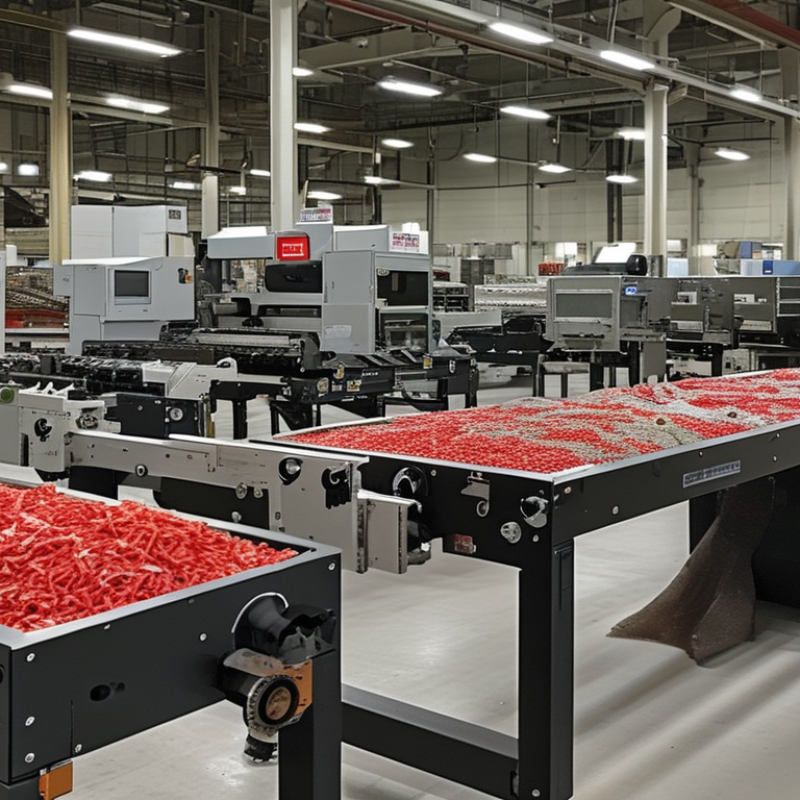
Infrared optical sorting technology is transforming the way industries classify materials. This method utilizes infrared cameras to detect different wavelengths emitted by objects. As a result, it can identify materials based on their chemical composition. This feature makes infrared sorters particularly effective for recycling and food processing, where material purity is essential.
The effectiveness of infrared sorting depends on several factors. For instance, the specific wavelengths targeted play a crucial role. Operators must understand the nuances of the materials they are sorting. Not all infrared sorters can differentiate between similar-looking materials. Some may require adjustments depending on the input material's temperature or moisture content. Hence, understanding these variables will enhance sorting efficiency.
Choosing the right infrared optical sorter is not just about cost. It's also about matching technology with operational needs. Assessing sorting goals will help in this decision. However, be aware that no system is flawless. Technical challenges may arise, requiring continuous evaluation and adjustments. This reflection is key to maximizing the potential of infrared optical sorting technology.
How to Choose the Right Infrared Optical Sorter for Your Needs?
| Feature | Description | Considerations |
| Sorting Accuracy | Precision in identifying and separating materials based on infrared signatures. | Higher accuracy may be necessary for valuable materials or contaminants. |
| Throughput Capacity | The volume of material that can be processed per hour. | Consider the scale of operations to ensure it meets production needs. |
| User Interface | Ease of use for operators to set up and adjust sorting parameters. | A user-friendly interface can reduce training time and errors. |
| Maintenance Requirements | Frequency and ease of maintenance needed to keep the sorter functioning optimally. | Regular maintenance can prevent costly downtimes. |
| Cost Efficiency | Initial investment costs versus operational savings over time. | Evaluate return on investment (ROI) based on throughput and material value. |
Key Factors to Consider When Choosing an Optical Sorter
Choosing the right infrared optical sorter requires careful consideration of several key factors. One critical element is the type of material to be sorted. Different materials may need specific wavelengths of infrared light for optimal detection. According to industry reports, sorting accuracy can exceed 95% when appropriate wavelengths are used. This means understanding your materials is paramount.
Another vital factor is throughput capacity. This refers to the volume of material that can be processed in a given timeframe. A sorter with a high throughput can significantly improve operational efficiency. However, high speed should not compromise sorting quality. Some systems can operate at over 10 tons per hour, but performance can vary based on material characteristics.
Tips: Always assess your processing needs. Know the exact type of material you are sorting. This will aid in choosing the right specifications.
You should also consider the maintenance requirements of the sorter. Regular maintenance ensures longevity and reliability, yet many users underestimate this aspect. According to studies, neglecting maintenance can lead to a decrease in efficiency by as much as 30%.
Another point of reflection is the importance of machine adaptability. As business needs change, so may the requirements for sorting capabilities. Choose a sorter that can be easily updated or modified to meet new challenges. This adaptability can save costs in the long run.
Comparing Different Types of Infrared Optical Sorters
When selecting an infrared optical sorter, it is essential to compare different types available on the market. Each type has unique features catering to specific needs. Some models excel in material detection, while others offer faster sorting speeds. Understanding these differences helps in making an informed choice.
For instance, high-resolution sorters can distinguish subtle color variations. This capability is crucial for industries that require precise sorting. Meanwhile, basic models may miss these details but operate at a lower cost. Different applications demand different levels of precision. Thus, aligning the sorter’s abilities with your operational requirements is key.
It’s important to consider installation and maintenance as well. Some advanced models require specialized knowledge for setup and repairs. This can lead to longer downtimes. Conversely, more straightforward systems may need frequent calibrations but are easier to manage. Weighing these factors will lead you closer to the right decision.
Assessing Industry-Specific Requirements for Sorting
When selecting an infrared optical sorter, industry-specific requirements are crucial. Different sectors have unique sorting needs that must be addressed. For instance, the food industry often requires high precision to minimize waste. According to a recent report by MarketsandMarkets, the food sorting equipment market is expected to grow from $2.3 billion in 2021 to $4.1 billion by 2026, highlighting the rising demand for technology that meets specific criteria.
In the recycling sector, contamination levels in sorted materials can significantly impact profitability. A study by the National Recycling Coalition indicates that improper sorting can reduce the quality of recycled materials by up to 30%. Infrared optical sorters equipped to handle diverse material types can help improve recovery rates. Advanced machine learning algorithms are also being implemented to refine sorting accuracy, yet some facilities still face challenges in handling complex waste streams.
Mining and mineral processing industries also present unique requirements. These sectors often deal with large volumes of raw material, necessitating robust and reliable sorting technologies. Effective infrared sorting can reduce operational costs by up to 20%, according to a 2022 report by the International Institute for Sustainable Development. However, not all models can withstand harsh working conditions, prompting companies to carefully evaluate their options. Addressing these industry-specific needs will lead to more efficient operations and increased profitability.
Industry-Specific Requirements for Infrared Optical Sorters
Evaluating Cost versus Performance in Optical Sorting Solutions
When evaluating optical sorting solutions, cost versus performance is a critical aspect. A balance between these two factors affects long-term operational efficiency. Investing more upfront can lead to better sorting accuracy and higher throughput. This, in turn, can minimize waste and enhance product quality. However, not all high-performance systems are suitable for every application.
Consider the specific requirements of your material. Different sorting tasks may require varied capabilities, such as resolution, speed, and sensitivity to colors or shapes. A higher price does not always guarantee better performance for your needs. It's essential to analyze whether advanced features will truly benefit your operations. Often, users discover that they paid for capabilities they rarely utilize.
Reviewing total cost of ownership is also vital. Maintenance, energy consumption, and potential downtime can significantly impact budget. A less expensive model may appear attractive but can result in hidden costs. Regular assessments of performance metrics and ongoing training for staff can amplify the return on investment. Still, it’s easy to overlook these aspects in the pursuit of immediate savings. Hence, continuous reflection on operational goals is necessary to ensure you choose wisely.