How to Choose the Right Jib Crane for Your Business?
Choosing the right jib crane for your business is crucial for optimizing workflows. According to the Material Handling Industry of America, the crane market is expected to grow by 4.2% over the next five years. This growth reflects the increasing demand for efficient load handling systems across various sectors. Jib cranes offer unique advantages, such as flexibility and excellent space utilization, which can enhance productivity.
When selecting a jib crane, consider factors like load capacity, reach, and installation space. A report from the Occupational Safety and Health Administration indicates that improper equipment can lead to workplace accidents. This underscores the importance of careful selection. Many businesses overlook the significance of proper training and maintenance. Enduring reliability often depends on these aspects.
Each operation has distinct requirements. Your decision should reflect your specific needs and conditions. A well-chosen jib crane can maximize safety and minimize costs. However, diving into this decision without careful thought may result in regret. Take time to reflect on your operational demands and consult industry experts.
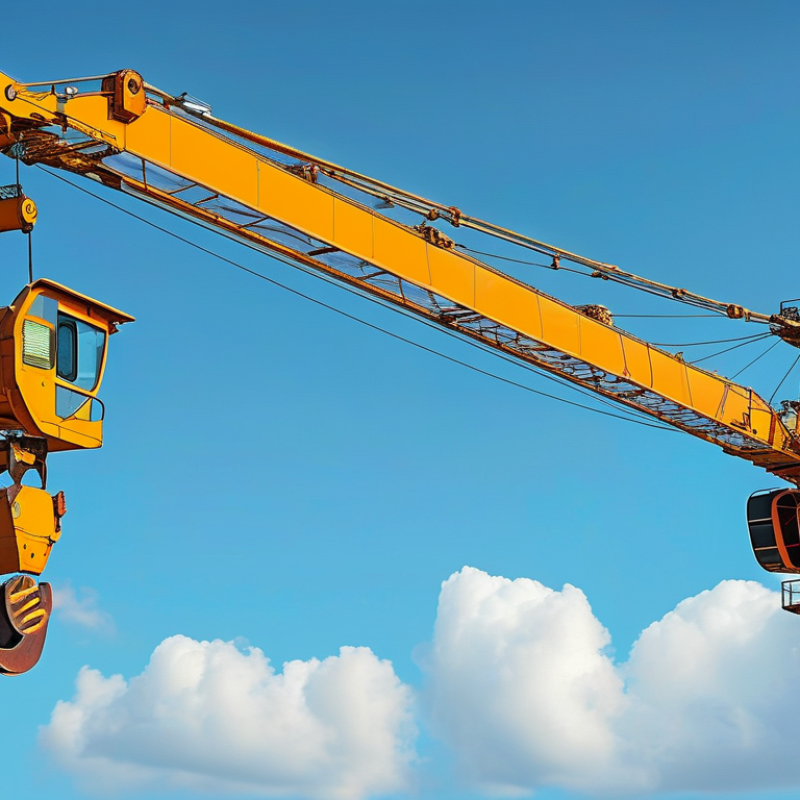
Understanding Different Types of Jib Cranes Available in the Market
When selecting a jib crane, understanding the various types is crucial. Jib cranes generally fall into two categories: wall-mounted and freestanding. Wall-mounted cranes attach to a wall, saving floor space. They’re ideal for tight areas. Freestanding cranes, on the other hand, offer more flexibility and can move loads in various directions.
Different models serve unique purposes. For example, articulating jib cranes have multiple pivot points, allowing them to reach over obstacles. These cranes are excellent for specific loading zones. Fixed jib cranes provide steady support but have limited movement. Choosing the right model depends on your workspace and load requirements.
Tips: Consider the height and weight capacity of the crane. Measure your workspace to ensure efficiency. Always assess the potential need for mobility versus stability when deciding between types. Investing time in understanding these details can significantly enhance your operation's efficiency. Striking a balance between practicality and flexibility is key in this decision process. Adjustments may be necessary as needs evolve.
How to Choose the Right Jib Crane for Your Business?
| Type of Jib Crane | Load Capacity (lbs) | Height Range (ft) | Span Length (ft) | Best Use Case |
| Wall-mounted Jib Crane | 2000 | 8 - 12 | 10 - 16 | Ideal for small workshops & garages |
| Freestanding Jib Crane | 4000 | 10 - 15 | 14 - 20 | Best for medium-sized manufacturing units |
| Portable Jib Crane | 1000 | 6 - 10 | 8 - 12 | Best for job sites and temporary setups |
| Articulating Jib Crane | 2500 | 8 - 12 | 10 - 15 | Suitable for tight spaces and precise lifting |
| Ceiling-mounted Jib Crane | 3000 | 10 - 20 | 12 - 18 | Space-saving design for large work areas |
Evaluating Loading Capacity Requirements for Your Specific Applications
Choosing the right jib crane for your business heavily relies on evaluating loading capacity requirements. Different applications demand varied lifting capabilities. According to the Material Handling Industry (MHI), nearly 50% of businesses face issues related to inadequate lifting capacity. This statistic emphasizes the need for careful consideration in your selection process.
Start by assessing the maximum weight of the loads you will be lifting. Many operations require cranes that can lift between 100 to 5000 pounds. A recent report found that 45% of accidents occurred due to exceeding the load limits. Clear communication about weight limits is crucial for safety and efficiency. When determining your needs, consider the frequency of use and potential growth. A crane that meets your current lifting needs might not suffice as your business expands.
Understanding load types is also essential. Beams, containers, and custom materials each present unique challenges. A survey from the Industrial Truck Association indicates that 60% of economic losses stem from improper handling equipment. Engage with equipment specialists to gain insights tailored to your industry. Focusing on these specifics can lead to more informed decisions and better performance in your operations.
Assessing Space and Layout Considerations for Jib Crane Installation
When selecting a jib crane, understanding the installation space is crucial. According to a 2022 industry report, nearly 30% of crane-related accidents stem from improper space assessments. Thus, a thorough evaluation of your facility’s layout is vital. Ensure ample room for both operational movement and maintenance access.
Consider the overhead space as well. A report by the Manufacturing Industry Standards Board states that insufficient headroom can limit a crane’s operational capacity. In environments with low ceilings, alternative strategies may be necessary. Traveling beams can help alleviate some of these constraints and improve safety.
Also, the surface beneath the crane plays a pivotal role. A strong, level floor is essential to prevent accidents. Inadequate groundwork can lead to instability, resulting in costly damages or injuries. Investing in a professional assessment can provide insights into necessary modifications. Ignoring these factors could lead to unforeseen challenges, affecting productivity and safety in the long run.
Considering Operational Features and Accessories for Enhanced Efficiency
Choosing the right jib crane for your business requires careful attention to operational features and accessories. Different industries demand various functionalities. A study by the Material Handling Industry of America indicates that operational efficiency can improve by 25% when the right equipment is selected. Investing in specific accessories can enhance performance. Load limit indicators, for instance, help prevent overloads, ensuring safety and reducing damage to cargo.
Accessories like remote controls and additional hoists can dramatically increase the crane’s usability. An analysis from the National Safety Council highlights that automation can lead to a 30% reduction in workplace accidents. However, choosing unnecessary features can lead to wasted resources. Companies often purchase extras that don't align with their operational needs. It’s essential to align upgrades with actual use cases.
While reliability is crucial, balancing cost and functionality is also vital. Jib cranes are not a one-size-fits-all solution. Reflecting on your specific operational requirements helps fine-tune your choice. Ongoing training for staff on equipment features enhances efficiency too. Industry data shows that trained operators can increase equipment lifespan by 15%. Therefore, thoughtful selection and proper training work together to maximize operational effectiveness.
Reviewing Budget Constraints and Maintenance Needs for Long-Term Use
Choosing the right jib crane requires careful consideration, especially regarding budget constraints and maintenance needs. Investing in a jib crane is significant for any business. It’s essential to analyze your financial limits before purchasing. A well-planned budget helps prevent overspending. Aim to balance quality and cost. A cheaper crane might save money initially, but could lead to higher maintenance expenses later.
Maintenance is crucial for long-term use. Many businesses underestimate the ongoing costs associated with equipment upkeep. Regular inspections and repairs can add up, affecting your overall budget. Selecting a crane that is easy to maintain can minimize these costs. Consider the availability of replacement parts as well. Not all cranes are created equal. Some brands might offer better support and components over time.
Reflect on the specific requirements of your operation. The crane’s design should suit your workspace. A jib crane is an investment in safety and efficiency. Proper training for your team is necessary to prevent operational issues. Neglecting these aspects can lead to costly mistakes. Balancing budget, maintenance, and operational needs ensures your investment pays off in the long run.