
What Is a Cylinder Boring Machine Used For?

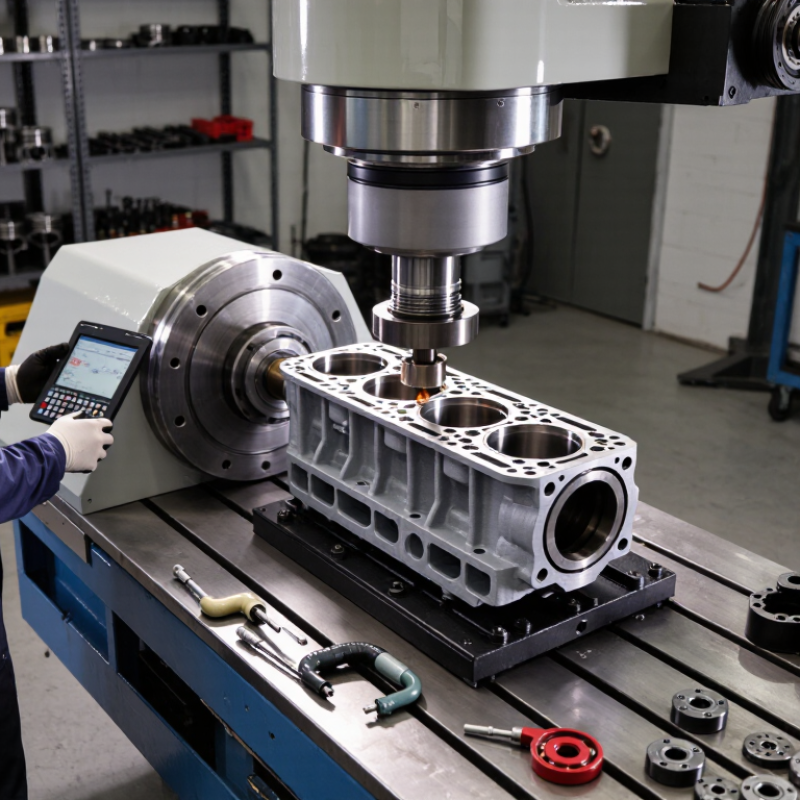
A Cylinder Boring Machine is used to restore damaged or worn engine cylinders. It removes a controlled layer of metal from the cylinder walls. This creates a larger, straighter, and more accurate bore. The machine is common in automotive, motorcycle, truck, marine, and industrial engine rebuilding.

Engine-building specialist John Baechtel offers a useful shop-floor reminder: “The goal is not simply a larger hole; it is a truer cylinder.” That principle explains the machine’s real purpose. Technicians use it when cylinders show taper, scoring, distortion, or excessive wear. They may also bore cylinders to match oversized pistons during a rebuild. The process usually follows careful measurement. A technician checks the original bore, piston size, clearance, and crankshaft alignment. The block may be secured with a torque plate. This helps reproduce operating stress more accurately.

A boring machine does not replace sound judgment. It only follows the setup and measurements provided by the operator. That detail is easy to underestimate. A poorly centered cut can create uneven wall thickness or unwanted piston clearance. After boring, the cylinder normally requires honing. Honing gives the surface its final dimensions and crosshatch pattern. That pattern helps retain oil and support proper ring seating. In practical terms, the machine turns a worn engine block into a usable foundation again. Yet perfection is not guaranteed. Temperature, tooling condition, and operator experience can still affect the result. This guide examines what a Cylinder Boring Machine does, when workshops use it, and why precision matters.
What Is a Cylinder Boring Machine Used For?

Definition and Core Function of a Cylinder Boring Machine

What Is a Cylinder Boring Machine Used For?

Definition and Core Function of a Cylinder Boring Machine

A cylinder boring machine is a precision tool used to enlarge and restore engine cylinder bores. The cylinder bore is the round chamber where a piston travels. Over time, friction, overheating, corrosion, or poor maintenance can create scoring, taper, and uneven wear. Boring removes a controlled layer of metal from the cylinder wall. It creates a larger, accurately sized bore with a consistent shape.

The machine holds the engine block firmly while a boring bar cuts the damaged surface. Skilled technicians measure the bore before, during, and after machining. They check diameter, alignment, wall thickness, and the final relationship between cylinders. Even small errors can affect piston movement and oil control. The finished bore usually requires honing, which produces the fine crosshatch pattern needed for proper lubrication and ring seating. Measurement matters most.

A cylinder boring machine is common in engine rebuilding and heavy-duty repair work. It can prepare a block for oversized pistons when standard dimensions are no longer usable. However, boring is not a magic repair. A thin cylinder wall, cracked block, or badly distorted deck may require another solution. I would not approve boring based only on visible scratches. Reliable work depends on inspection records, accurate tools, suitable cutting speeds, and careful judgment. In practice, the machine provides precision, but the technician still carries responsibility.

Engine Components That Require Cylinder Boring

What Is a Cylinder Boring Machine Used For?

A cylinder boring machine restores worn engine cylinder bores to accurate dimensions. It removes a controlled layer of metal from the cylinder wall. This process creates a round, straight surface for a correctly sized piston and ring set.

The main component requiring boring is the engine block. Cast iron and aluminum blocks can develop scoring, taper, or oval wear after years of combustion and friction. Deep scratches may prevent proper ring sealing. A machinist measures the bore at several heights and angles before cutting. The block may then receive oversized pistons or new cylinder sleeves. Motorcycle cylinders and separate liner assemblies can require the same treatment.

Cylinder boring also addresses distortion around the upper cylinder area. Excessive heat can change the bore shape near the deck, where the piston reverses direction. A boring bar removes material evenly, but it cannot repair every damaged block. Wall thickness matters. Coolant passages matter too. A clean-looking bore can still measure badly. That is easy to miss.

Boring is not the final surface treatment. Honing produces the controlled crosshatch needed for oil retention and ring bedding. If the cut is too deep, the engine may lose strength or require unsuitable pistons. Careful measurement, accurate fixturing, and post-machining inspection remain essential. Small errors become expensive quickly.

How the Cylinder Boring Process Works

What Is a Cylinder Boring Machine Used For?

How the Cylinder Boring Process Works

A cylinder boring machine enlarges and restores worn engine cylinder bores. Combustion, heat, and friction gradually damage the original surface. The machine removes a controlled layer of metal, creating a straight and accurately sized bore.

The process begins with careful inspection. A technician checks the cylinder block for cracks, distortion, and previous repairs. Internal measurements reveal taper and out-of-round wear. The block is then secured firmly on the machine table. Alignment matters greatly. Even a small setup error can produce an uneven bore.

The cutting bar is centered with the cylinder’s original axis. A pilot supports the tool and helps maintain stability during cutting. The technician removes metal through several light passes, rather than one aggressive cut. This approach reduces vibration and protects the bore surface. Cutting fluid may control heat and carry away chips.

After boring, the technician measures the diameter at multiple heights and angles. A precision bore gauge can expose differences that calipers might miss. The final size must match the planned piston and clearance specifications. Honing usually follows boring, creating the correct crosshatch pattern for oil retention and ring seating.

The machine is precise. It is not automatic perfection. Tool wear, poor alignment, or rushed measurements can spoil good work. Experienced operators still recheck every bore before assembly. That discipline is often what separates a reliable repair from an expensive repeat job.

Common Applications in Engine Repair and Manufacturing

What Is a Cylinder Boring Machine Used For?

Common Applications in Engine Repair and Manufacturing

A cylinder boring machine enlarges an engine cylinder to a precise diameter. It removes taper, scoring, and uneven wear from the bore surface. Technicians use it after measuring the block with a dial bore gauge. The machine then creates a clean surface for oversized pistons. This process can restore compression and reduce oil consumption. It is not a perfect fix when cracks or severe distortion exist.

In engine repair, boring supports the rebuilding of passenger cars, trucks, agricultural equipment, and industrial engines. S&P Global Mobility reported that the average U.S. vehicle age reached 12.6 years in 2024. Older vehicles create steady demand for machining and rebuilding services. In manufacturing, boring machines prepare new blocks for consistent piston clearance. Computer-controlled equipment can hold extremely tight tolerances, but skilled inspection remains essential. A small measurement error can cause costly rework. I have seen clean-looking bores fail because surface finish was ignored.

Tips: Measure the block before machining, not after. Check deck flatness, bore spacing, and coolant passages. Follow the piston maker’s clearance specification. Use a torque plate when the procedure requires it. Keep cutting tools sharp, and verify the final size at several heights. The International Energy Agency reported over 14 million electric car sales globally in 2023. Internal-combustion engines may decline gradually, but many remain in service. That makes accurate repair knowledge still valuable.

Key Factors for Choosing the Right Boring Machine

What Is a Cylinder Boring Machine Used For?

A cylinder boring machine enlarges and restores worn engine cylinders. It removes a controlled layer of metal from the cylinder wall. This process creates a precise, round surface for a replacement piston. It also corrects taper, scoring, and uneven wear caused by long-term operation.

Choosing the right boring machine requires more than checking its maximum bore size. Measure the engine blocks you regularly repair, including their smallest and largest diameters. A machine with excessive capacity may occupy valuable floor space and increase setup time. I have seen larger equipment slow production when smaller workpieces were common. Rigidity matters too. A stable frame reduces vibration, especially during heavy cuts. Adjustable spindle speed helps match cutting conditions to different materials. Accurate alignment is essential for keeping the bore centered with the crankshaft axis. Check the machine’s measuring system, fixture range, and operator access before purchasing.

Tips: Confirm the actual bore range. Inspect the clamping system. Ask how calibration is verified. Leave room for future work. A practical test cut can reveal weaknesses that specifications hide. Do not ignore training requirements. Even a precise machine can produce poor results after careless setup. Record bore measurements before and after machining, then inspect the finish with suitable gauges and lighting.

What Is a Cylinder Boring Machine Used For? - Key Factors for Choosing the Right Boring Machine

Data Dimension Typical Information Why It Matters Practical Selection Guidance
Primary Function Enlarges and accurately machines the internal diameter of an engine cylinder bore. Removes wear, taper, scoring, and out-of-round conditions so the cylinder can accept the correct piston and rings. Select a machine designed for the engine types, bore sizes, and repair tolerances handled by the workshop.
Common Repair Applications Engine block rebuilding, cylinder resizing, sleeve preparation, and correction of damaged or worn bores. Different repair jobs require different tooling, workholding methods, and measurement procedures. Choose a versatile machine if the workload includes automotive, agricultural, industrial, or motorcycle engine blocks.
Typical Bore Diameter Capacity Approximately 30–200 mm The bore range determines whether the machine can process small engines, passenger-vehicle blocks, or larger industrial cylinders. Compare the machine’s minimum and maximum boring diameter with the actual cylinder sizes in the workshop.
Typical Boring Depth Approximately 100–500 mm, depending on machine design The spindle travel and available working depth must cover the full length of the cylinder bore. Confirm maximum boring depth before purchasing, especially for long-cylinder commercial or industrial engines.
Machining Accuracy Common repair-shop positioning accuracy: about ±0.01–±0.02 mm Accurate alignment and bore sizing help maintain piston clearance, ring sealing, and engine service life. Review the manufacturer’s documented accuracy, calibration method, and recommended measurement equipment.
Bore Surface Finish Rough-bored surfaces generally require honing to achieve the specified crosshatch pattern and final finish. Boring establishes geometry and removes material; honing normally completes surface texture and final sizing. Use boring and honing as complementary operations rather than treating boring alone as the final finishing process.
Spindle Speed Common operating range: approximately 100–1,000 rpm Speed affects cutting performance, surface quality, tool life, and compatibility with different bore diameters and materials. Prefer adjustable speed control when machining cast iron, aluminum, steel sleeves, and different bore sizes.
Feed Control Manual or powered axial feed; powered feed usually provides more consistent cutting results. Consistent feed helps control dimensional accuracy, tool loading, and the appearance of the machined bore. Choose powered or variable feed for repeated production work and manual feed for occasional repair jobs.
Machine Alignment Adjustable worktable, centering fixtures, and alignment systems are used to position the spindle with the existing bore centerline. Poor alignment can create an eccentric bore, uneven wall thickness, or incorrect cylinder geometry. Prioritize rigid fixtures and accessible alignment controls when working with worn or previously repaired blocks.
Workpiece Size and Weight Typical table capacities range from about 100 kg to more than 1,000 kg The table and fixture system must safely support the complete engine block without excessive deflection. Check table load capacity, opening dimensions, clamping range, and lifting requirements for the heaviest workpiece.
Typical Workpiece Materials Gray cast iron, compacted graphite iron, aluminum alloy blocks, and replacement cylinder sleeves. Material hardness and thermal behavior influence cutting tools, cutting parameters, and surface quality. Verify tool compatibility and coolant requirements for the materials most frequently processed.
Cutting Tool Compatibility Adjustable boring heads commonly use carbide or diamond-tipped cutting tools. Tool material and adjustment resolution affect cutting stability, tool life, and final bore accuracy. Choose a system with readily available inserts or cutters and precise radial adjustment.
Power Requirement Common motor ratings: approximately 1.5–7.5 kW Motor power influences the machine’s ability to maintain stable cutting under load. Match electrical requirements to the workshop supply and consider available power for larger-diameter cuts.
Coolant and Chip Management Dry cutting or flood coolant may be used according to the material, tooling, and workshop process. Effective chip removal and temperature control can improve tool life, dimensional stability, and operator safety. Consider an integrated coolant system, chip collection, guarding, and easy cleaning access.
Measurement Equipment Dial bore gauges, inside micrometers, telescoping gauges, and precision rules are commonly used. The machine cannot compensate for inaccurate inspection; final bore size and geometry must be verified independently. Budget for calibrated measuring tools and inspect diameter, taper, out-of-roundness, and alignment.
Automation Level Manual, semi-automatic, and CNC-controlled configurations are available. Automation can improve repeatability and productivity but may increase purchase cost and maintenance demands. Use manual equipment for varied low-volume repairs and automated control for repeatable high-volume work.
Floor Space Compact units may require about 1–2 m²; larger systems require substantially more working clearance Operators need safe access for loading, clamping, measurement, chip removal, and maintenance. Measure the complete operating footprint, not only the machine dimensions shown in the specification sheet.
Safety Features Recommended features include guarding, emergency stop controls, secure clamping, chip protection, and clear work lighting. Rotating tooling, sharp chips, coolant, and heavy workpieces create significant workshop hazards. Give preference to machines with accessible emergency controls, rigid workholding, and effective guarding.
Best Fit by Workload Low-volume repair: manual machine; mixed repair work: adjustable semi-automatic machine; high-volume repeat work: CNC or automated machine. The best configuration balances productivity, flexibility, operator skill, and total ownership cost. Estimate annual workpiece volume, average bore size, setup time, and required repeatability before choosing the control level.
Translate