Top 10 Benefits of Using Screen Mesh Filters for Your Projects?
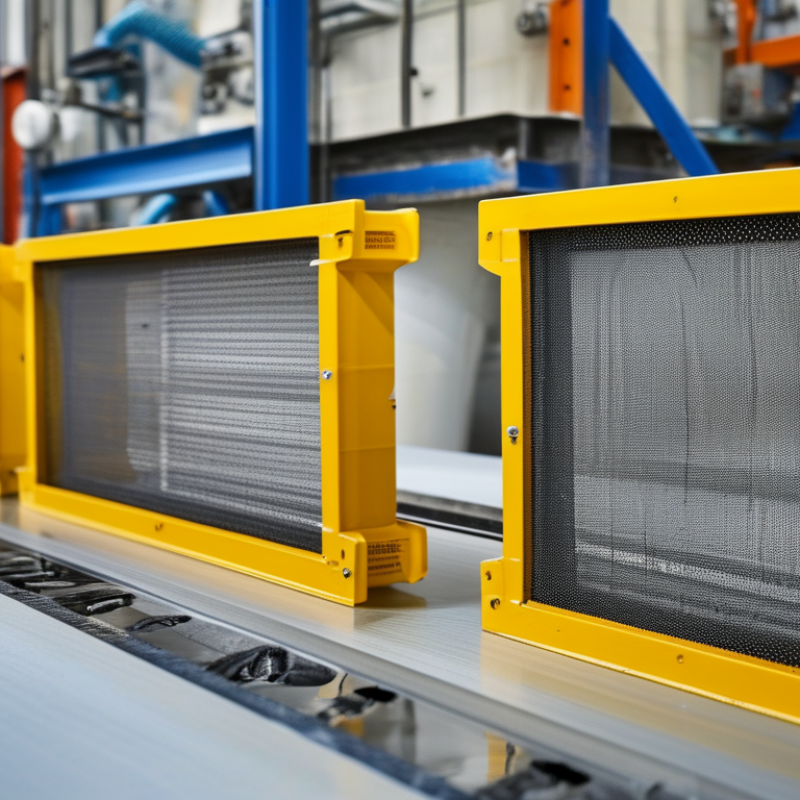
Incorporating a Screen Mesh Filter into your projects can lead to significant enhancements. These filters are versatile and can be used in various applications, from water filtration to industrial processes. They help trap unwanted particles, ensuring the quality of the end product.
One of the key benefits of a Screen Mesh Filter is its durability. Unlike some filtration options, these are designed to withstand harsh conditions. This makes them a reliable choice for professionals. Additionally, they are easy to clean and maintain, saving time and resources.
Yet, it’s important to acknowledge that no filter can guarantee 100% efficiency. Users must regularly check and replace them as needed. Finding the right specification for your specific project can be challenging. However, the advantages of integrating a Screen Mesh Filter in your work far outweigh these hurdles.
Understanding Screen Mesh Filters: Definition and Importance
Screen mesh filters are critical components commonly used in various projects. They serve the primary function of separating solids from liquids, ensuring the purity of your fluids. Understanding their design helps to appreciate their importance. These filters can protect sensitive equipment from debris. This reduces chances of malfunction and maintains efficiency.
Choosing the right screen mesh filter requires careful consideration. The size and mesh count play essential roles in filtering effectiveness. A finer mesh can capture smaller particles but may require more frequent cleaning. On the other hand, a coarser mesh allows for faster flow but may miss some impurities. Always assess the balance between efficiency and maintenance.
Tips: When selecting a screen mesh filter, consider the specific application first. An incorrect choice can lead to unexpected issues. Regular maintenance is crucial to ensure optimal performance. Cleaning your filters routinely can extend their lifespan and improve overall results. Remember, a small oversight in filter selection or upkeep can have significant consequences in the long run.
Efficient Filtration: How Screen Mesh Filters Improve Project Performance
Screen mesh filters play a crucial role in enhancing project performance, particularly in filtration applications. Research indicates that effective filtration can increase efficiency by up to 30%. This can significantly reduce downtime and maintenance costs, particularly in industries like manufacturing and water treatment. By trapping particles as small as 5 microns, these filters ensure that systems run smoothly and prevent damage from contaminants.
In an industry report by the Filtration Society, it was revealed that improper filtration can lead to a loss of productivity, costing companies millions annually. Screen mesh filters not only help in reducing these costs but also extend the lifespan of machinery. Some projects may misuse these filters, leading to clogged systems and unexpected failures. Regular inspections and understanding of filtration needs can mitigate these risks.
An additional study highlighted that projects utilizing mesh filters reported 20% fewer system failures. Mesh filters are versatile, but they do require proper selection based on project specifications. The right filter can prevent unnecessary expenses and improve the overall project lifespan. However, it’s crucial to acknowledge that potential misapplications can result in inefficiencies. Understanding the specific needs of your project is vital for maximizing the benefits of screen mesh filters.
Durability and Longevity: The Robust Nature of Screen Mesh Filters
Screen mesh filters are gaining popularity due to their durability and longevity. Made from robust materials, they withstand harsh environments and last longer than many other filtering options. Their resistant nature ensures they perform well under pressure, making them suitable for various applications, from construction to automotive projects.
In real-world scenarios, users often report fewer replacements compared to other filter types. This reliability translates to reduced downtime and lower maintenance costs. However, it's essential to consider installation carefully. Poorly placed filters can lead to inefficiencies. While the resilience of screen mesh filters is commendable, their full potential is only realized when utilized correctly. Adapting to specific project requirements is crucial for optimizing performance.
Versatility in Application: Uses of Screen Mesh Filters Across Industries
Screen mesh filters are increasingly recognized for their versatility across various industries. In construction, they effectively separate debris from essential materials. In agriculture, they are used to protect crops from pests. Their ability to filter particles without obstructing airflow is crucial for these applications.
In water treatment, screen mesh filters ensure that larger contaminants do not interfere with processes. They function well in both residential and industrial settings. The adaptability of these filters can sometimes lead to over-reliance on them. It's important to regularly evaluate their effectiveness.
Further, in the food and beverage industry, these filters maintain product purity. However, improper usage can lead to contamination. Regular maintenance checks help mitigate these risks. Their various applications showcase their importance, yet one must remain cautious about their limits.
Cost-Effectiveness: Saving Money with Screen Mesh Filters in Projects
Screen mesh filters are becoming increasingly popular in various projects due to their cost-effectiveness. These filters not only simplify the process of filtration but also significantly reduce expenses. When you opt for screen mesh filters, you eliminate the need for more expensive alternatives. This choice allows for a reduction in maintenance costs as well.
Consider a DIY project where water filtration is essential. Using screen mesh filters provides quality results without breaking the bank. They are easy to install, saving labor costs. Additionally, their durability means less frequent replacements, which contributes further to long-term savings.
However, it is crucial to acknowledge some limitations. Screen mesh filters may not capture very fine particles, impacting overall filtration effectiveness. Users sometimes overlook this detail, thinking they are fully protected. Regular checks and evaluations can enhance their performance, but they require an understanding of their capabilities. This awareness can help in making informed decisions for specific project needs.